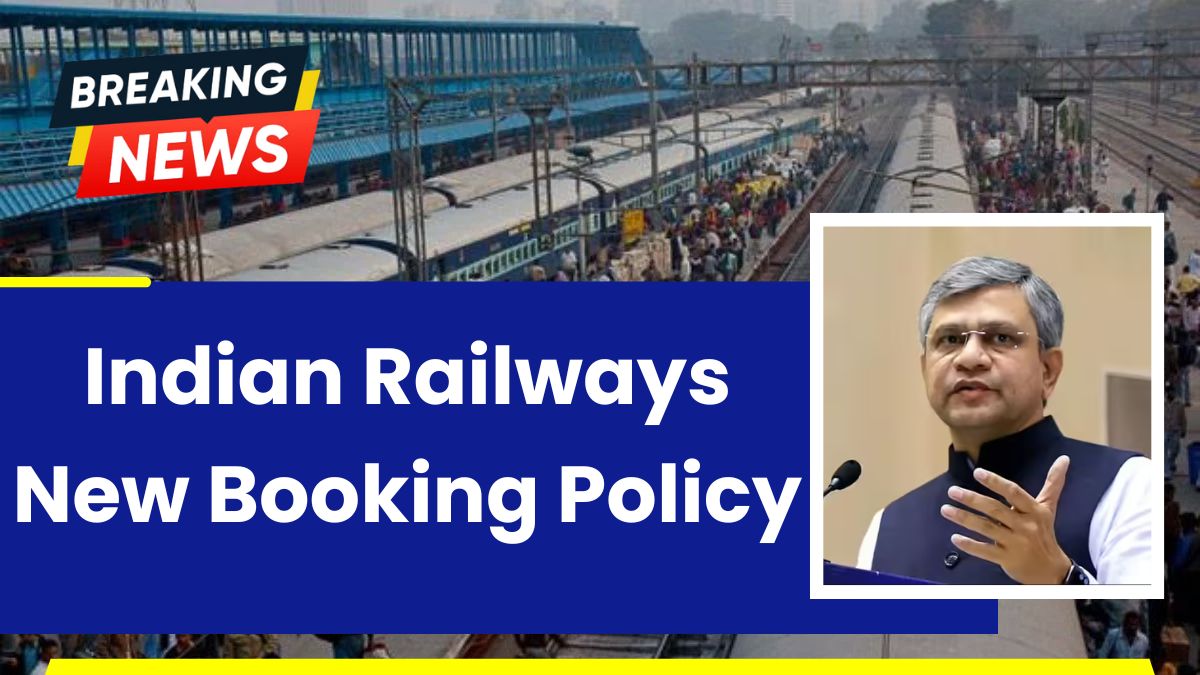
Train Ticket Booking Timings from February 2026 : Train ticket booking in India is about to go through one of its biggest shifts in years. Starting February 2026, Indian Railways plans to introduce new booking timings, priority access rules based on Aadhaar, and updated Tatkal procedures. For millions of passengers who log in every day to reserve seats through IRCTC, these changes could reshape how travel planning is done. The new system aims to reduce technical glitches, slow servers, and unfair booking practices that have frustrated users for years.
Why Indian Railways Is Making the Change Now
Over the last decade, demand for train reservations has climbed sharply. Even though many people book tickets through apps or online, the basic system hasn’t always handled high traffic well. Every major festival, long weekend, or exam season triggers a surge in bookings that IRCTC’s servers struggle to support. Complaints about tickets selling out instantly, failed payments, and bookings disappearing as soon as pages open have become normal.
Railway officials say internal reviews showed that automated scripts, bots, and agent networks were booking large quantities of Tatkal tickets within seconds of release. This meant genuine passengers often missed out. The new reform package announced for February 2026 is an attempt to fix both the technology and the fairness issues. It is meant to make ticket booking more predictable and reliable for regular users.

Fixed Booking Hours for All Users
One of the most noticeable changes in the new system is the introduction of fixed ticket booking hours. Under the revised schedule, reserved ticket bookings on the IRCTC portal will only be permitted between 8:00 AM and 11:00 PM every day. This is a major shift from the current 24×7 booking window, which has led to sudden spikes in traffic during odd hours and frequent system crashes.
By limiting booking to a defined daily period, Indian Railways hopes to smooth out usage patterns and reduce pressure on the servers. Advance reservations will continue to open at 8:00 AM, but the traffic during that peak period is expected to be more manageable. Regular travelers may need to adjust their routines, but the structured timing should make the experience more stable and less stressful.
Aadhaar Linking and Priority Access
At the heart of the new reforms is a priority access model linked to Aadhaar verification. Passengers who choose to link their Aadhaar number with their IRCTC account will get priority access during the initial hours of advance booking. Those who have not linked their Aadhaar will still be able to book tickets, but only after the priority window closes.

Railway authorities describe this as an incentive program designed to reduce fake accounts and multiple IDs used for bulk booking. By verifying user identities through Aadhaar, the railways hope to ensure that individual passengers get a better chance at securing seats. However, privacy advocates have raised concerns about how Aadhaar data is handled. Indian Railways has stated that Aadhaar will be used only for verification and will not be stored beyond regulatory requirements.
Revised Tatkal Booking Rules
Tatkal bookings are often the most contested part of train reservations, especially for popular routes. Under the new system, Tatkal timings remain the same—10:00 AM for AC classes and 11:00 AM for non-AC classes—but the process itself will see changes. One key update is the requirement for OTP (one-time password) verification tied to the passenger’s registered mobile number before ticket confirmation. This step adds a real-time human check to reduce bot-based bookings.
Another significant change is expected for authorised ticketing agents. In the first few minutes of the Tatkal release window, agents may face restrictions or delays designed to give ordinary passengers a fair chance. Many frequent travelers have long complained that agents grab most of the tickets in the first moments, leaving limited seats for individuals. Although agents argue that they help customers who lack digital access, the railways appear focused on reducing bulk booking activity.

Technology Upgrades Behind the Scenes
The policy changes are backed by substantial upgrades to the Passenger Reservation System itself. Indian Railways has invested in infrastructure that can handle higher concurrent traffic and faster authentication checks. Planned maintenance during late hours will become more routine, replacing the emergency shutdowns that previously disrupted bookings without warning.
For passengers, these upgrades could eventually deliver tangible benefits: faster page loads, fewer payment failures, and reduced booking errors. While added verification steps like OTP may feel like extra work at first, the trade-off is expected to be a more reliable booking system. Over time, passengers may find the overall experience less stressful, even when booking during peak demand periods.
What These Changes Mean for Frequent Travelers
For regular travelers, senior citizens, students, and families planning long journeys, the new booking framework is likely to become part of the travel routine. People may need to book earlier and ensure their IRCTC accounts are fully updated with Aadhaar and active mobile numbers. The reforms are not expected to eliminate competition, but they aim to make the race for tickets less skewed by automated tools or unfair practices.

The railways are also considering further refinements after the system stabilises. Ideas such as dynamic booking windows, demand-based quotas, or additional verification layers are possible in future updates, depending on how users adapt and how the system performs under load.
What Passengers Should Do Now
With the changes coming in February 2026, passengers are advised to take a few preparatory steps. First, link Aadhaar to your IRCTC profile if you wish to take advantage of priority access. Keep your mobile number updated, as OTP verification will play an important role in both Tatkal and regular bookings. Plan trips early and avoid last-minute rushes, especially during peak seasons.
Keep an eye on official IRCTC notifications, as the exact details of these reforms may be updated closer to launch. All passengers should familiarise themselves with the new booking windows and verification requirements to avoid confusion when the new system goes live.

Looking Ahead: Broader Implications for Travel Booking
If the Indian Railways model succeeds in balancing policy controls with technological reliability, it could influence how other high-demand booking systems operate in the country. Bus networks, metro services, and even airline reservation systems might adopt similar frameworks to manage load, combat fake bookings, and improve fairness for everyday users.
Experts believe that a more structured ticketing environment can enhance trust and transparency across public platforms. Whether it leads to demand-based pricing, improved customer support, or changes in reservation quotas will depend on how travelers respond and how the railways monitor system performance.
Final Thoughts on Booking Reforms
In the end, the 2026 train ticket booking reforms reflect a shift toward a more regulated, predictable system that tries to level the playing field for passengers. While new identity checks and fixed timings may feel unfamiliar at first, the intention is to create a booking ecosystem that is fairer, faster, and less prone to technical failure. For millions of passengers who rely on trains as their preferred mode of travel, adapting to these changes will be an important step in the journey ahead.

Disclaimer: This article is intended for general informational purposes only. Proposed changes to train ticket booking timings, Aadhaar verification requirements, Tatkal booking rules, and related procedures are subject to official notifications by Indian Railways and IRCTC. Passengers should always consult the official IRCTC website, authorised railway communication channels, or public notices from Indian Railways for the most accurate and up-to-date information prior to planning or purchasing tickets.