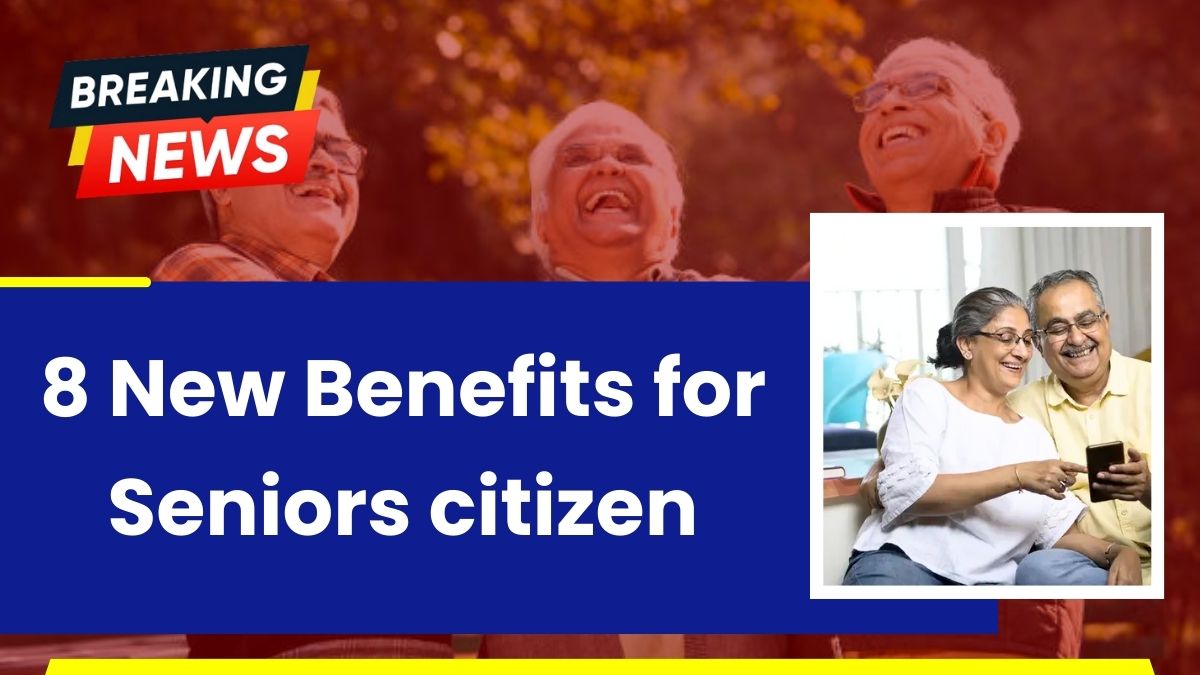
Seniors in 2026 : Senior citizens across India are in for some good news in 2026 as the government introduces a series of measures aimed at improving financial security, healthcare, mobility, and overall well-being for the elderly. With rising life expectancy, inflation, and increasing healthcare costs, these new initiatives are designed to provide seniors aged 60 and above with dignity, independence, and a better quality of life. The 2026 updates consolidate multiple benefits under a structured framework, ensuring seniors get stronger protection and easier access to essential services.
Why Senior Citizen Welfare Is a Priority in 2026
India’s senior population is growing steadily, and a large number of elderly citizens rely on pensions, savings, or family support for their daily needs. Rising living costs, medical expenses, and social isolation have created new challenges for seniors. Recognizing this, the government has made senior citizen welfare a top priority in 2026, focusing on income security, healthcare support, legal protection, and accessibility to essential services. These initiatives are not just financial aid programs—they are a comprehensive support system aimed at improving the day-to-day lives of seniors.
Financial Security Measures and Pension Support
One of the biggest highlights of the 2026 updates is stronger financial security for seniors. Enhanced pension schemes, priority access to government-backed savings options, and interest support programs are being rolled out to ensure stable and predictable income. These measures aim to help elderly citizens manage day-to-day expenses without excessive reliance on family members, fostering financial independence and confidence. By providing a steady income stream, seniors can better handle medical costs, household expenses, and unexpected emergencies.

Improved Healthcare Access and Medical Support
Healthcare remains one of the top concerns for elderly citizens, and the 2026 initiatives focus on improving accessibility and affordability. Seniors can expect easier access to subsidized treatments, diagnostic services, and essential medicines. Government and empanelled hospitals will provide priority services to senior patients, reducing waiting times and out-of-pocket expenses. Preventive healthcare programs, regular checkups, and enhanced insurance coverage are also being strengthened to support long-term health and wellness, ensuring that seniors remain healthy and active for longer.
Enhanced Safety and Legal Protection
Safety and legal protection form another key component of the 2026 senior citizen initiatives. Faster grievance redressal mechanisms, dedicated helplines, and improved legal aid services will help protect seniors from abuse, neglect, and financial exploitation. Local authorities are being asked to play a proactive role in monitoring the welfare of elderly citizens, particularly those living alone or in vulnerable situations. These measures aim to provide peace of mind, ensuring seniors can live securely and with dignity.
Travel and Mobility Benefits
Travel and mobility remain important for senior citizens, and the government plans to continue existing concessions in 2026. Railway and public transport discounts are expected to remain in place, with some regions expanding free or subsidized bus travel for seniors. Affordable mobility helps seniors remain socially active, attend medical appointments, and participate in community activities without facing financial stress. By making travel easier, these benefits also contribute to a better quality of life and greater independence.

Senior-Friendly Banking and Service Priority
In 2026, banks and public service offices are expected to continue providing senior-friendly services. Priority counters, simplified procedures, doorstep services, and dedicated staff for senior citizens make it easier to complete banking and administrative tasks. Additionally, higher interest rates on senior citizen fixed deposits and safe investment options help maintain financial stability. These measures reduce the stress of financial management and support a more secure and comfortable lifestyle for the elderly.
Digital Inclusion and Assisted Services
As more services move online, the government is focusing on digital inclusion for seniors in 2026. Help desks, facilitation centers, and awareness programs will assist elderly citizens in using online services efficiently. This ensures seniors are not left behind in the digital transition while still allowing them to access essential services like banking, healthcare, and government benefits. Assisted digital support balances modernization with inclusivity, ensuring seniors remain connected and empowered in a technology-driven world.
The 8 Key Benefits Senior Citizens Can Expect in 2026
In 2026, seniors can expect a combination of financial, healthcare, mobility, and social benefits. Key highlights include stronger pension and income security measures, expanded access to healthcare and medical subsidies, enhanced legal protection and safety mechanisms, continued travel concessions on public transport, senior-friendly banking and service priority, supportive digital inclusion initiatives, programs promoting community welfare and social engagement, and faster grievance redressal along with dedicated helpline services. These benefits aim to cover most aspects of a senior citizen’s life, promoting independence and well-being.

Eligibility for the 2026 Benefits
Most benefits are designed for Indian citizens aged 60 years and above. Some programs may have additional income-based or category-specific eligibility requirements, depending on state or central schemes. Seniors should check official notifications and guidelines to ensure they meet the criteria and do not miss out on these benefits. Staying informed through government websites or local welfare offices is essential to access all available support.
Steps Seniors and Families Should Take Now
To make the most of the 2026 initiatives, seniors should ensure that their personal records, bank details, and identification documents are accurate and updated. Families can play an important role by helping elderly members navigate the application process, verify information, and stay updated on scheme announcements. Avoiding misinformation and relying only on official government channels is critical to prevent fraud or confusion. Timely action will ensure seniors receive benefits without delays or complications.
Conclusion
The 2026 senior citizen initiatives mark a significant step forward in promoting the welfare and protection of elderly citizens. With eight major benefits covering financial security, healthcare, legal protection, mobility, and digital inclusion, seniors can look forward to a more stable, dignified, and comfortable life. These measures aim to reduce dependence on family support while fostering independence and confidence. Staying informed and proactive will allow seniors to fully utilize these benefits and improve their overall quality of life in the coming years.

Disclaimer: The senior citizen schemes, benefits, eligibility criteria, and service delivery are subject to official notifications from the Government of India. Details may vary by state or program, and individuals should verify all information through authorized sources before taking any action. This article is for general informational purposes only and does not constitute legal or financial advice.