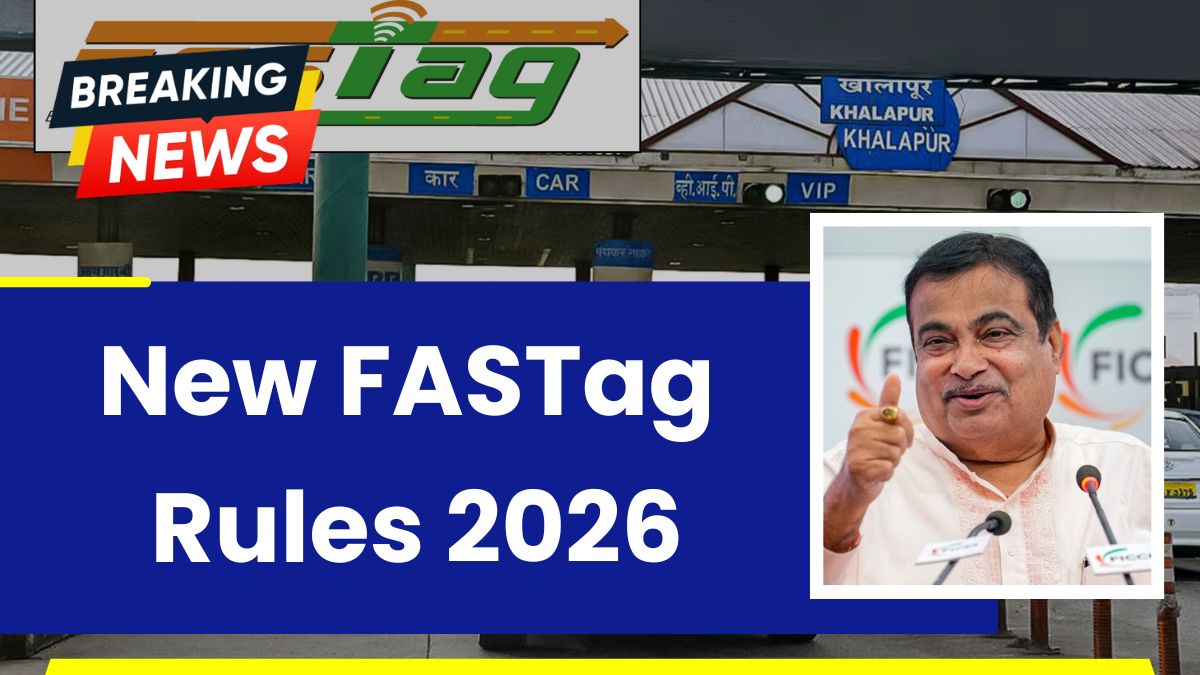
FASTag Guidelines 2026 Updates : If you’ve driven on Indian highways in the last few years, you already know how FASTag has changed the road trip experience. Gone are the days of digging through your wallet for cash while a long line of vehicles waits behind you. FASTag uses RFID technology to automatically deduct toll charges from a prepaid or linked bank account, letting vehicles move through toll plazas without stopping. It has made highway travel quicker, smoother, and far less stressful. With the 2026 updates, the system is becoming even more streamlined and fully digital.
Focus of the 2026 Guidelines
The 2026 FASTag guidelines are mainly about improving efficiency and tightening digital compliance. Authorities want to make toll collection almost completely cashless so traffic keeps flowing without bottlenecks. With crores of FASTags already active, the government is now focusing on making sure every tag is properly linked, verified, and functional. The idea is simple: fewer disputes, faster verification, and a more reliable toll system for both private car owners and commercial vehicle operators.
Mandatory Usage for All Vehicles
FASTag remains compulsory for nearly all vehicles using national highways. If a vehicle enters a FASTag lane without a working tag, the penalty can be heavy, often double the toll amount. This rule has pushed adoption across the country and made digital toll payments the norm rather than the exception. In 2026, enforcement is expected to be even stricter, especially at high-traffic toll plazas and expressways. This ensures that traffic doesn’t slow down because of a few non-compliant vehicles.

Simplified Activation and Verification Process
One of the most user-friendly changes in 2026 is the simplified FASTag activation process. Getting a FASTag is no longer a complicated task involving long paperwork. Most banks, digital wallets, and authorized providers now offer online applications where you upload basic vehicle details and identity documents. KYC verification, including Aadhaar or PAN linking, helps confirm ownership and reduces fraud. Once approved, the tag can be delivered to your home and activated within minutes through an app or website.
Easy Recharge and Account Management
Managing FASTag accounts has also become more convenient. Users can recharge through UPI, net banking, debit cards, or mobile wallets. Many apps now send low-balance alerts so drivers don’t accidentally run out of funds at a toll plaza. Some service providers even offer auto-recharge options that top up your balance when it drops below a set limit. These features make FASTag almost maintenance-free, which is especially helpful for people who travel frequently.
Stronger Rules for Incorrect or Misused Tags
The 2026 updates also bring tighter checks against misuse. FASTags are linked to specific vehicle registration numbers, and using a tag on the wrong vehicle can lead to blacklisting. Authorities are improving camera and sensor systems at toll plazas to detect mismatches instantly. If a tag is damaged, blacklisted, or inactive, the system can flag it in real time. These measures are meant to make toll operations more transparent and prevent revenue loss.

Benefits for Drivers and Daily Commuters
For regular highway users, FASTag continues to be a major time-saver. Vehicles spend less time idling in queues, which means smoother journeys and less frustration. Daily commuters entering cities through toll roads benefit the most, as peak-hour traffic moves faster with digital tolling. Over time, the savings in fuel and time really add up, making FASTag not just convenient but also economical.
Support for Commercial and Transport Vehicles
Transport companies and truck operators are among the biggest beneficiaries of the FASTag system. With long-distance routes involving multiple toll plazas, digital toll payments help maintain delivery schedules. Fleet owners can track toll expenses digitally, which improves accounting and reduces cash handling risks for drivers. In 2026, more logistics firms are expected to integrate FASTag data with their fleet management systems for better planning and monitoring.
Environmental Advantages of Digital Tolling
FASTag doesn’t just help drivers — it also helps the environment. Vehicles waiting in long toll queues burn extra fuel and release more emissions. By reducing stop-and-go traffic at plazas, FASTag contributes to lower fuel consumption and reduced air pollution. With India focusing more on sustainability, digital toll collection is seen as a small but meaningful step toward greener transport infrastructure.

Expansion to More Roads and Expressways
The government plans to expand FASTag usage beyond national highways to more state highways and urban expressways. As new roads are built under infrastructure development projects, digital toll systems will be integrated from the start. This means future road networks will be designed for seamless, tech-driven tolling without the need for manual systems.
Improved Technology and Data Security
As FASTag grows, so does the focus on technology and security. Service providers are upgrading encryption and fraud detection systems to keep user accounts safe. Real-time transaction updates and SMS alerts help users track every toll deduction. These improvements build trust and encourage more people to rely completely on digital toll payments.
What Users Should Keep in Mind
Even with all the convenience, users still need to be careful. Always ensure your FASTag is properly fixed on the windshield, your KYC is updated, and your balance is sufficient before starting a long trip. If you change vehicles, remember that FASTag is not transferable. Keeping your account details updated avoids unnecessary penalties or travel delays.

Future Outlook for FASTag and Digital Highways
Looking ahead, FASTag is expected to become part of a larger smart transport ecosystem. Integration with GPS-based tolling, automated traffic systems, and digital vehicle records may soon make highway travel even more seamless. The 2026 guidelines are just one step toward a future where road travel in India is faster, smarter, and fully digital.
Disclaimer: This article is intended for general informational purposes only and does not constitute official guidance. FASTag rules, penalties, and procedures may change based on notifications issued by government authorities or NHAI. Users should always verify the latest instructions through official websites, banks, or authorized FASTag providers before making travel or account-related decisions.