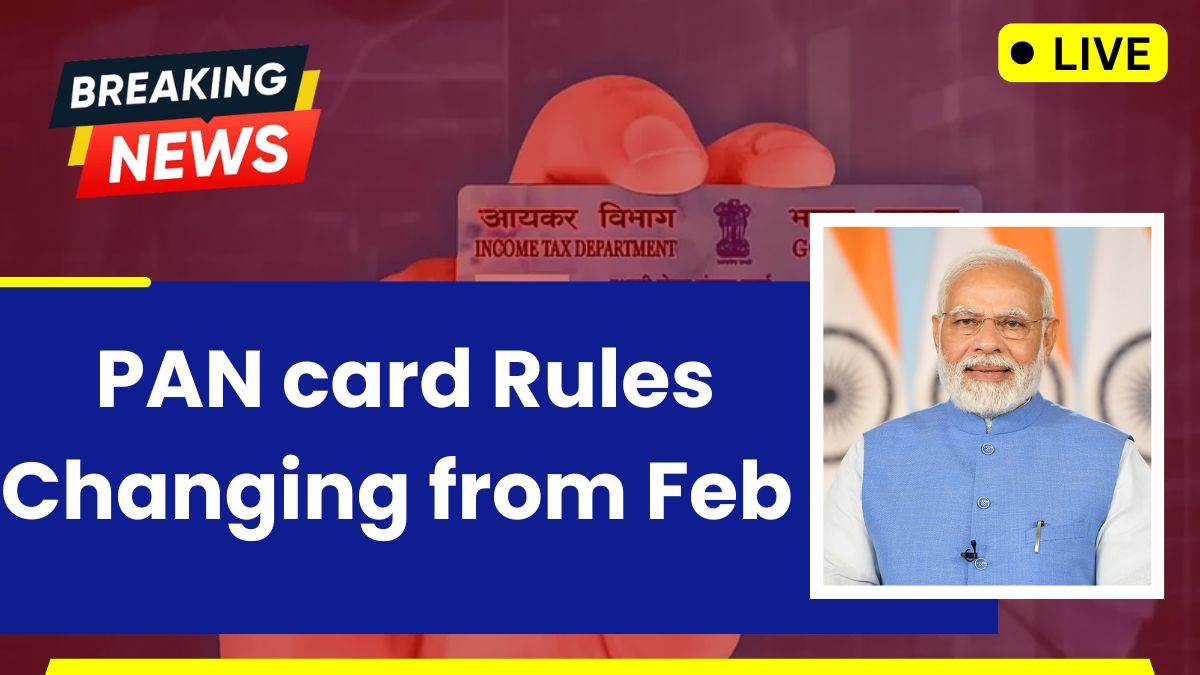
New PAN Rule from Feb 10 : Starting February 10, 2026, the way we handle financial transactions in India is set to change with new PAN rules. These updates aim to make high-value transactions more transparent and compliant with tax regulations. From paying bills to investing in mutual funds, having a properly linked PAN will be essential. Missing these updates could cause delays, failed transactions, or even penalties. Being prepared now will save you a lot of trouble later.
PAN Becomes Essential for All Transactions
From February 10, 2026, your PAN will be required for any financial transactions above the government-specified limits. Banks, post offices, payment apps, and digital wallets will all enforce this rule. If your PAN isn’t linked or verified, larger payments or deposits may get rejected. This step helps prevent tax evasion and makes financial activity more transparent. For users, ensuring your PAN is updated and ready will make transactions smooth and hassle-free.
New Limits Change Reporting Rules
The new rules have revised transaction limits for PAN reporting. Earlier, transactions above ₹50,000 required PAN disclosure, but now there are clearly defined thresholds for cash deposits, online transfers, and credit card payments. Individuals and businesses must know which transactions require PAN to avoid delays and compliance issues. Staying informed about these limits is key to keeping your finances running smoothly without interruptions.

Instant Verification Makes Life Easier
A convenient feature in the new rules is real-time PAN verification. Banks and apps can now instantly confirm your PAN during transactions. This eliminates long waits for manual verification and speeds up high-value transfers, bill payments, and investments. The instant verification ensures smooth transactions while helping authorities maintain accurate financial records. Users will notice faster processing, and businesses will benefit from reduced delays in handling payments.
Penalties for Ignoring PAN Are Strict
The government has made it clear that non-compliance will have consequences. Transactions above the set limits without PAN may be blocked or penalized. Businesses that fail to collect PAN from customers could face legal trouble, and individuals might face delays in payments or complications with tax filings. Following these rules protects your financial reputation and prevents unnecessary stress. Staying updated is no longer optional; it’s crucial for hassle-free financial activity.
Minor PAN Updates Must Be Reported
Even small changes to your PAN, like name corrections or address updates, must be updated with banks, apps, and investment platforms. Mismatched information can lead to transaction failures or compliance alerts. Updating your PAN before February 10 ensures that all future payments, deposits, or high-value transactions go through smoothly. Being proactive now prevents unnecessary complications later on.

Digital Payments Require PAN Linkage
Under the new rules, UPI transactions, digital wallets, and online payments above specified limits will require PAN linkage. This measure ensures transparency in digital payments and reduces tax evasion. Users who haven’t linked their PAN will face failed transactions or delays. While it might seem like extra work, linking PAN protects your accounts and ensures smooth, secure digital financial activity.
Investments Will Track PAN
Mutual funds, stock purchases, insurance plans, and other high-value investments will now require verified PAN details. Brokers and investment platforms must report these to tax authorities. If PAN information is inaccurate, investments may be blocked or delayed. Keeping your PAN up-to-date ensures smooth transactions and helps you stay compliant with government regulations while managing your financial growth efficiently.
Businesses Gain Transparency and Ease
The new PAN rules also benefit businesses by simplifying compliance. Collecting PAN for high-value transactions, maintaining records, and reporting is easier thanks to instant verification. This reduces errors, legal risks, and fines. Small businesses and retailers can operate more efficiently while ensuring customer transactions are smooth. Transparency in financial dealings now benefits both operational efficiency and adherence to regulatory requirements.

Keep PAN Ready to Avoid Hassles
With these changes, keeping your PAN ready and updated is more important than ever. Make sure your details are correct across all bank accounts, wallets, and investment platforms. Missing or incorrect PAN information could block transactions or trigger penalties. Treat your PAN as essential financial documentation. Being proactive ensures uninterrupted payments, transfers, and investments under the 2026 rules.
Final Verdict on PAN Changes
The new PAN rules effective February 10, 2026, are designed to make financial transactions transparent, smooth, and compliant. While it may seem like an extra step, updating and linking your PAN now will save time, prevent penalties, and ensure seamless operations. Understanding these changes empowers individuals and businesses to manage finances efficiently while staying fully compliant with the government’s updated requirements.
Disclaimer: This article is for general informational purposes only and does not constitute legal or financial advice. PAN rules, transaction limits, and compliance requirements may change from time to time. Individuals and businesses should verify details with the Income Tax Department or official government sources before undertaking any high-value transactions. Following official guidance ensures accurate compliance and prevents penalties or transaction delays.