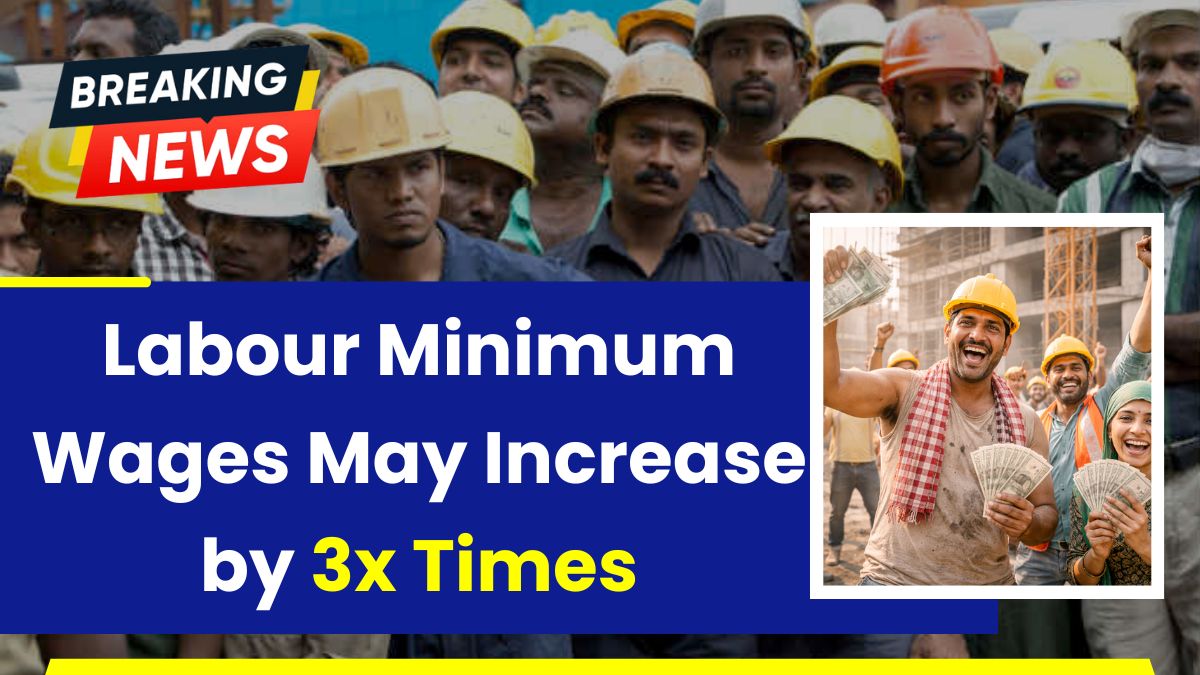
Labour Minimum Wages Hike – There is some hopeful news for India’s working class. Discussions around a major hike in minimum wages have gained momentum, with reports suggesting that wages could increase by up to 3.17 times. For millions of daily wage workers struggling with rising prices of food, rent, and healthcare, this development could bring much-needed relief.
Over the past few years, inflation has made it difficult for workers to manage basic household expenses. If the proposed wage revision is approved and implemented, it could significantly improve income levels and overall living standards for workers across multiple sectors.
What Is the Labour Wages Hike Update?
The Labour Wages Hike Update refers to an ongoing review of minimum wage rates to better match the actual cost of living. Labour departments are reportedly reassessing existing wage structures to ensure that workers receive fair compensation for their efforts.

Minimum wages in India are usually decided at the state level, which means the final rates may vary from state to state. However, the idea of a 3.17 times increase, if adopted, would mark one of the largest wage revisions in recent years.
Key Points Linked to the Wage Hike
The proposed wage hike is expected to impact workers in construction, agriculture, factories, and other unorganised sectors. Since wage levels differ across regions, revised rates may be set based on local inflation, living costs, and labour conditions.
Worker unions have been demanding a minimum wage revision for a long time, arguing that current wages no longer support basic needs. There is also discussion around making wage payments more transparent and digital, so salaries are credited directly to workers’ bank accounts, reducing delays and middlemen.

How Workers May Benefit
A major increase in wages could directly improve the lives of worker families. Higher income means better access to food, education for children, and healthcare services. It could also reduce dependence on loans and informal borrowing.
From a broader perspective, higher wages can boost spending power. When workers earn more, they spend more in local markets, which benefits small businesses, shopkeepers, and service providers. This increased demand can support both rural and urban economies.
Economic Impact and Expert Views
While workers are likely to benefit the most, some experts point out that higher wages may increase costs for industries. However, many believe that with a balanced approach, higher wages can actually help economic growth by improving productivity and worker morale.

A well-planned wage revision can create a healthier cycle—better pay leads to better living conditions, which in turn supports a more stable and efficient workforce.
Why This Wage Hike Is Being Seen as Special
What makes this update stand out is the scale of the proposed increase. Wage hikes are usually small and incremental, but a jump of over three times is unusual. It signals that policymakers may finally be acknowledging the real gap between wages and living expenses.
There is also growing focus on strengthening monitoring systems so that revised wages are implemented properly and reach eligible workers on time.

Objective Behind the Wage Revision
The main goal of increasing wages is to protect workers from inflation and offer them a more dignified standard of living. Authorities aim to reduce income inequality and align wages more closely with real-world expenses.
Better pay can improve confidence among workers, help them plan their futures, and contribute to long-term economic stability. If implemented carefully, this move could strengthen productivity and support overall national growth.
Final Takeaway
The Labour Wages Hike Update has raised fresh hopes among millions of workers. While no final decision has been announced yet, the possibility of a 3.17 times wage increase could be a turning point for the labour sector. Workers and employers alike are now waiting for official confirmation and detailed guidelines.

Disclaimer
This article is based on media reports and general policy discussions. The final decision on wage hikes, revised rates, and implementation timelines depends on official notifications issued by central or state governments. Readers are advised to verify the latest updates through official labour department websites or government notifications before drawing conclusions.