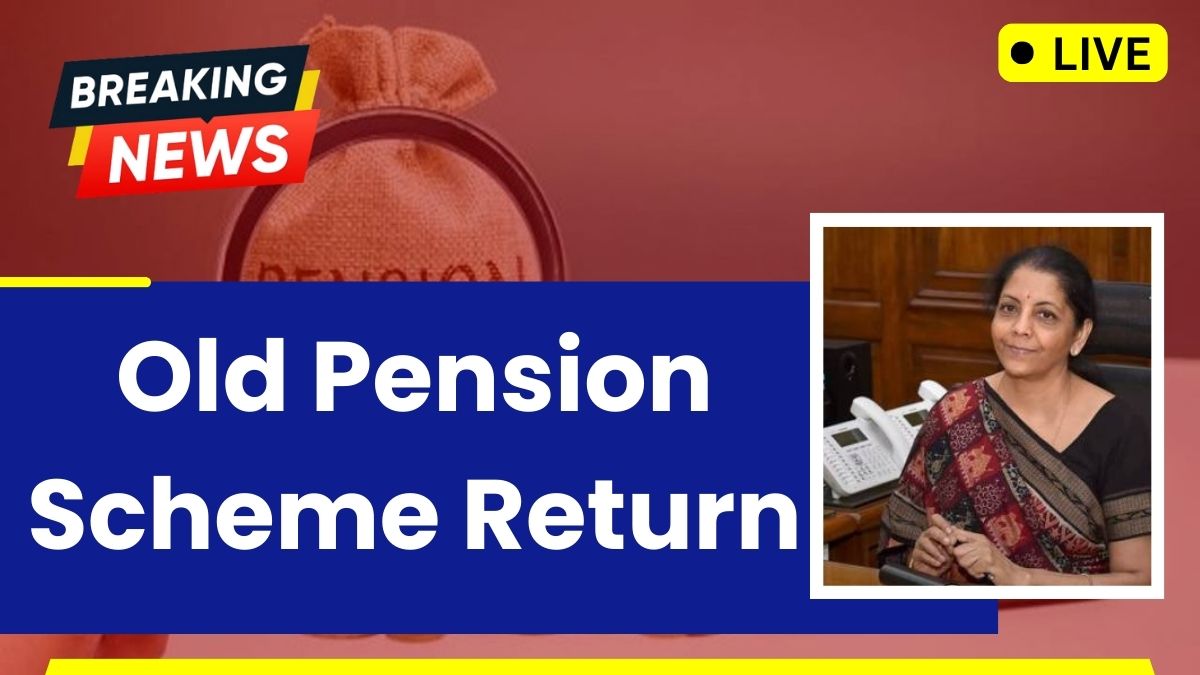
January 2026 OPS Return : Lately, the Old Pension Scheme (OPS) has been popping up in conversations all over India, especially among government employees. With January 2026 being talked about as a possible turning point, people are watching closely to see what the government might decide. For many employees, OPS represents something they deeply value — financial security after retirement. Ever since the shift to the New Pension Scheme (NPS), a lot of workers have felt uncertain about their future income. That’s why the idea of OPS coming back is creating fresh hope and serious discussion.
The Significance of OPS
The biggest reason OPS is so popular is simple: it promises a guaranteed monthly pension after retirement. Unlike NPS, which depends on market performance and investment returns, OPS is based on the last drawn salary and years of service. That predictability matters a lot, especially when prices of everyday goods keep rising. People want to know that no matter what happens in the stock market, they’ll still be able to pay their bills in old age. For many families, that sense of stability is priceless.
The January 2026 Anticipation
January 2026 has become a key date in all these discussions. There hasn’t been any official nationwide announcement yet, but policy debates, state-level decisions, and political signals are fueling expectations. Some state governments have already moved back to OPS for their employees, which has made people wonder if the central government could follow. With the Union Budget discussions and political activity increasing, employees feel this could be the moment when something major happens.

Debating OPS and NPS
The OPS vs NPS debate is intense and emotional. Supporters of OPS highlight the guaranteed income and protection from market risks. They argue that retirement money should not depend on stock market ups and downs. On the other hand, policymakers and financial experts worry about the long-term cost of OPS to the government. NPS was introduced partly to reduce the pension burden on public finances. So the real challenge is balancing employee security with the country’s financial sustainability.
States Leading the Charge
Several states taking steps to reintroduce OPS has added fuel to the fire. When employees see that a few governments have managed to bring back the old system, it makes the idea feel more realistic at the national level. These state decisions have also increased pressure on the central government. Employees in other states are now asking, “If they can do it, why not us?” This domino effect is one of the main reasons OPS is such a hot topic right now.
Widespread Employee Response
Government employees across the country are reacting with a mix of hope and caution. Unions and staff associations are actively raising the issue in meetings and public forums. Social media is also buzzing with discussions, opinions, and updates. Older employees who are close to retirement see OPS as a major relief if it returns. Younger employees, meanwhile, view it as long-term security that could shape their entire financial future. The topic has clearly united different age groups in the workforce.

Evaluating Economic Consequences
Of course, bringing back OPS is not a simple decision. Experts point out that it could significantly increase the government’s future pension liabilities. Paying guaranteed pensions to a large workforce for decades requires careful financial planning. Supporters argue that a phased or modified approach could reduce the burden. They also say that employee morale, social security, and financial dignity in old age should be considered just as important as budget numbers. It’s a complex issue with no easy answers.
Monitoring Political Developments
Political parties have started mentioning pension security more often, especially with elections always around the corner somewhere in the country. Promises related to OPS naturally attract the attention of government employees and their families. While not every promise becomes policy, the repeated focus on this issue shows it has strong public impact. Analysts believe political will could play a big role in deciding whether OPS returns fully, partially, or not at all.
What to Expect for Employees
For now, employees are being advised to stay alert but not get carried away by rumors. Big policy changes usually come with official notifications, clear rules, and timelines. Until that happens, it’s important to rely only on verified government announcements. At the same time, employees can review their current retirement planning, savings, and investments so they are prepared no matter what decision is taken. Being financially aware is always a smart move.

Conclusion: The Future of the Old Pension Scheme
The possible return of OPS in January 2026 has become one of the most talked-about issues among government employees. Whether it happens or not, the strong reaction shows how deeply people care about retirement security. The conversation is no longer just about pensions — it’s about dignity, stability, and peace of mind after years of service. The coming months will be important, and millions of employees will be watching closely for any official decision.
Disclaimer:
This article is for general informational purposes only and is based on ongoing discussions and public reports regarding pension policies. It should not be treated as official confirmation or financial advice. Pension rules and government decisions may change based on policy, legal, or budgetary considerations. Readers are advised to refer to official government notifications or consult a qualified financial advisor before making any retirement or investment decisions.