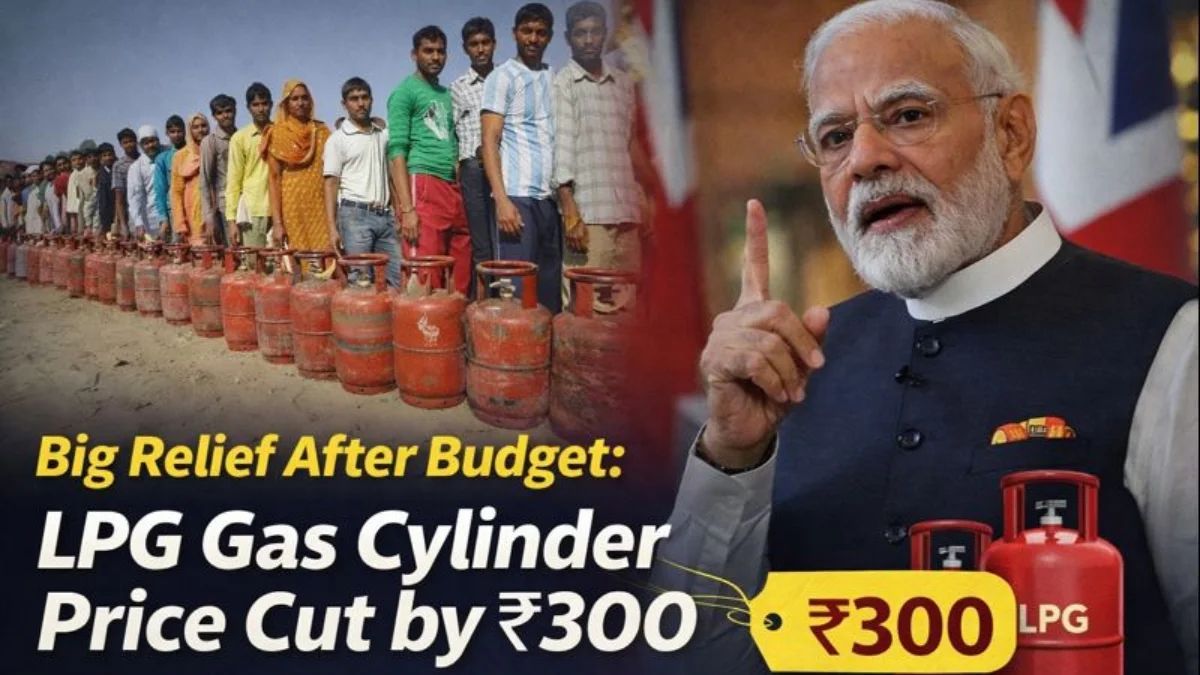
LPG Cylinder Prices Drop : There’s finally some breathing room for household budgets. After the latest budget announcement, the government has reduced LPG gas cylinder prices by ₹300, and for many families, that’s a seriously welcome move. Cooking gas is not a luxury — it’s something every home depends on daily. So when prices drop, even by a few hundred rupees, it makes a real difference in monthly expenses. This decision is already being seen as one of the most people-friendly highlights of the budget.
Why This Price Cut Matters
LPG prices are directly tied to day-to-day living. Over the past few years, families have been juggling rising costs of groceries, school fees, electricity, and medical bills. Cooking gas becoming expensive only added more pressure. A ₹300 reduction may not sound massive at first, but for homes that use one or even two cylinders a month, the savings add up quickly. Over the course of a year, this cut can help families save a meaningful amount that can be used elsewhere.
Budget Decision Explained Simply
This price cut didn’t come out of nowhere. It’s part of a broader budget strategy aimed at reducing the burden of inflation on common people. Governments often adjust subsidies, taxes, and duties on essential fuels like LPG depending on global oil prices and the country’s economic situation. This time, the focus seems clearly tilted toward giving direct financial relief to households rather than just balancing numbers on paper.

Who Benefits The Most
The biggest relief will be felt by middle-class families, lower-income households, and people living on fixed earnings like pensions or small salaries. In many homes, LPG is the main cooking fuel, so its price affects daily life immediately. Women, who usually manage kitchen expenses, will especially notice the difference. Rural and semi-urban households, where budgets are often tighter, are also expected to benefit a lot from this reduction.
Impact On Monthly Expenses
A ₹300 saving on one cylinder can free up money for other important needs. It might help cover a week’s worth of vegetables, part of a child’s school expense, or medicines for elderly family members. Over 12 months, the savings can run into thousands of rupees. For many families, that’s not small change — it’s a cushion that helps them handle rising costs in other areas without cutting back on essentials.
Role Of Government Policy
Fuel pricing in India is influenced by multiple government decisions. Ministries such as Petroleum and Natural Gas regularly review pricing structures based on global crude oil trends, exchange rates, and domestic inflation. By reducing LPG prices, the government is showing that it wants to soften the impact of international fuel price fluctuations on ordinary citizens. It’s an example of policy being used as a tool for social support, not just economic management.

Will Prices Stay Low
Of course, one big question everyone has is whether these lower prices will last. The honest answer is that LPG prices depend on several moving factors, including global oil markets and subsidy policies. If international prices rise sharply, there could be revisions in the future. However, the current reduction suggests that the government is aware of people’s financial stress and may try to keep prices stable as long as conditions allow.
What Consumers Should Do Now
This is a good time for consumers to stay informed. Check the updated LPG cylinder price with your local distributor or through official gas booking apps and websites. Keep an eye on subsidy credits in your bank account to ensure you’re receiving the correct amount. Planning refills smartly and avoiding last-minute bookings can also help households manage their kitchen budgets more efficiently under the new pricing.
Wider Social Impact
Lower LPG prices don’t just help individual families — they have a broader social impact too. Affordable cooking gas encourages cleaner fuel use, reducing dependence on firewood or coal in some areas. That means better indoor air quality and fewer health problems, especially for women and children. When essential fuels become more affordable, it also helps stabilize overall household spending, which is good for the economy at large.
Final Word on the LPG Gas Cylinder Price Cut
All in all, the ₹300 cut in LPG cylinder prices is more than just a headline — it’s practical relief that people will actually feel. At a time when many households are stretching every rupee, this move brings a bit of comfort and financial breathing space. While future price changes can’t be ruled out, for now, this decision is giving millions of families one less thing to worry about in their monthly budget.
Disclaimer:
This article is for general informational purposes only and is based on recent public budget discussions and reports. LPG pricing, subsidies, and government policies may vary by state, distributor, and time. Readers should verify the latest cylinder rates and subsidy details through official government portals or authorized gas agencies before making financial decisions. The author is not responsible for changes in policy, pricing, or individual eligibility conditions.